Photographic Documentation of Brown/Hefelfinger Farm
Created by Carolyn Ruth Hunt – July 18, 1994
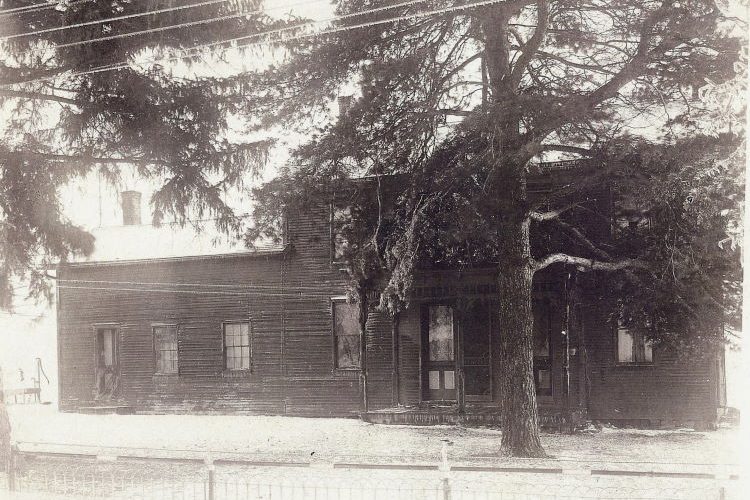
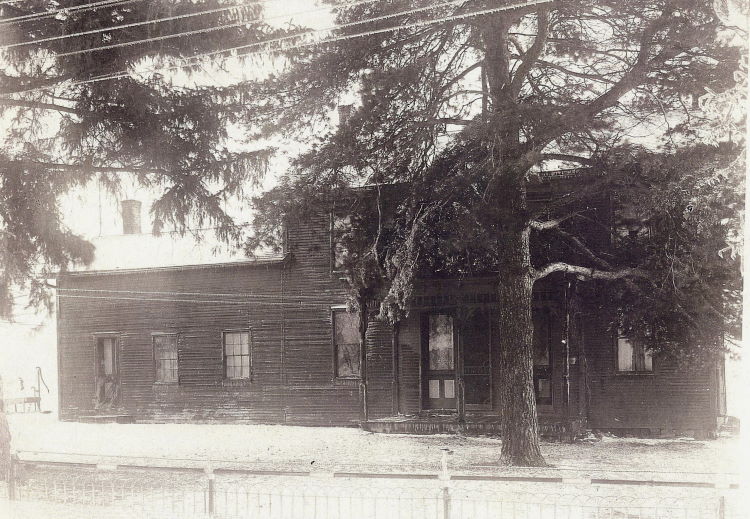
1904-1944 – Farm owned by Norman L and Candace Victoria Michael Brown.
1944-1994 – Farm owned by Mary and Wilbur Hefelfinger. Wilbur died earlier; Mary and her son Carroll
were living there when they were overcome and died in Spring of 1994 from carbon monoxide poisoning from a faulty furnace (according to the EMT who answered the 911 call). This cause of death was denied by the Hefelfinger daughters.
Aug. 15, 1994 – 65 acre farm purchased at auction by a Mr. Meyers. He in turn sold the house and barn & about 4 acres for around $100,000. (Way overpriced for condition of house and barn.) Fred Munier drove in from Las Vegas to try and buy the farm at auction. When that failed he then tried to purchase the house from Mr. Meyers. In its run down condition, the house & barn were appraised at about $50,000, needing thousands to renovate; Fred offered $80,000, but Meyers was greedy, held to his price, and eventually got it. So Fred lost the farm to his deep regret.
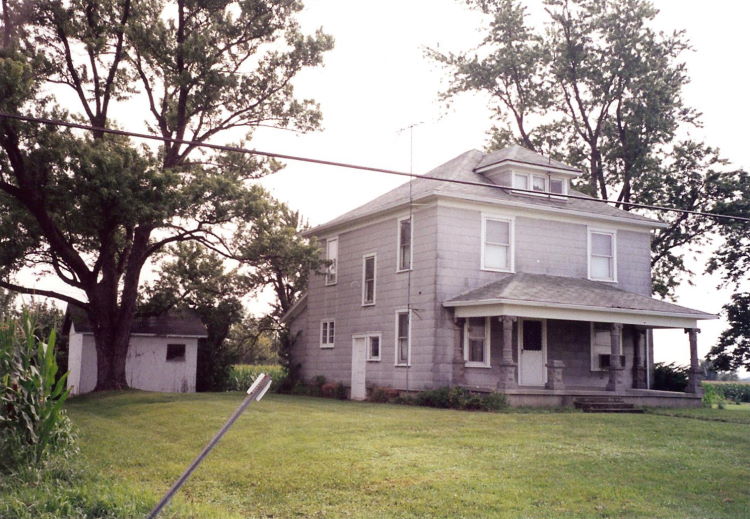
This picture documentation was taken by Carolyn Ruth Hunt on July 18, 1994 as Maxine and Verneda, the Hefelfinger daughters, were preparing the house and contents for auction. They were young teenagers in 1944 and Mary let them ‘decorate’ the ‘new’ house. That decoration/renovation was done in the 1940’s, and practically nothing was done to the house since then. That was bad in that it left the house in a very run down condition, but good in that this documentation records the house much like it was when Norman and Candace Brown lived in it originally. Norman always kept the house well maintained. The house was originally white narrow clapboard, but in the 1930’s Norman had the ‘modern’ asbestos shingles put on the outside of the house.
Major changes made on the grounds and the structure of the house since 1944 by the Hefelfingers will be noted in the documentary commentary with each picture. Pictures are numbered on the back upper left corner of the picture as well as on their front jacket page and correspond to the same numbers on the attached layout plans of the house and grounds and to the boldfaced numbers on the documentary commentary. The BF numbers on lower left back of the photo and in the first column on the commentary sheet refer to the catalogue numbers of the negatives held by Carolyn Ruth Hunt. These photos were originally catalogued, arranged and documented in 1994, and distributed to some members of the Brown family. For this revised version, 1998, a few photos have been rearranged and some omitted, and thus the numbering is revised. When numbers are changed, the original first edition 1994 number will appear in ( ) after the current, revised edition number.
PHOTO DOCUMENTARY COMMENTARY
BFI-l #1 Hefelfinger farm and small house: across the road from Norman Brown’s house and owned by Wilbur and Mary. In March, 1944, they bought the Brown farm and lived there for 50 years.
BFI-3 #2 The home: Land was purchased in 1904. The new house was built sometime between 1904 and
1914. Originally it was white narrow clapboard. Asbestos siding was put on after 1934 and
before 1943 according to family pictures. Front and west side of house.
BFI-4 #3 Front of the house. The main well for water to the house was at left center edge of the yard. Originally a black wrought iron fence stretched across the full front of the house and side yard
to the barnyard fence. Two gigantic, tall cedar trees stood on each side of the front walk. Early pictures (1904-14) depicting the original farmhouse on the property before this house was
built show those same cedar trees as quite large then, so they had to be very old.
BFI-5 #4 East side of the house (the house faces North) with the side basement door. The small
kitchen window to left of basement door was put in after 1944 when the Hefelfingers remodeled the kitchen. The original window was the same size as the other large windows and the old wood chest sat under that window. Carolyn Ruth Hunt now has that wood chest in her home. The
old smokehouse is an original building. The tree in front of it was large in the 1930’s.
BFI-6 #5 House looking southwest to the barn and barnyard. Originally a large tobacco shed stood just east and a bit south of the red barn and had a well and windmill at its northeast corner.
BFI-2 #6 Main Barn: there used to be a fence along the road and a gate at the drive/lane. A large
horse watering trough sat perpendicular to the east barn door which led in to the horse stalls. This barn also contained the hay mow, stalls for milking cows, and more storage space for
farm equipment.
BFII- #7 East end of the barn. Flagstones in front mark the entrance where the old huge tobacco shed
11a (40) that Norman Brown built was located. Hogs, tobacco, and farm equipment were housed there. Stones in the ground further toward the car mark a section of the shed where these stones were
necessary in the tobacco stripping process. Though not in the picture, the old well and windmill, long since capped and torn down, were just to the right of the front tobacco shed stones.
BFII- #8 Barn: back south side. Stables were on the right side where the door is open, cows were
16a (41) milked along the southwest side
.
BFII- #9 Stable area of Barn: east section looking south. The east door on the left probably led to
23a (42) this old section as the horse stable. The large (about 8’ x 3’ x 3’ high) watering trough sat
just outside this door, perpendicular to the building.
BFII- #10 Barn: East stable area section, west wall, with original rough hewn timbers.
17a (43)
BFII- #11 Barn: West side of Central Section; looks thru to West section; Hayloft above.
18a (44)
BFII- #12 Barn: South West corner of central section.
19a (45)
BFII- #13 Barn: Center of Central Section; 1840’s hayfork
20a (46)
BFII- #14 Barn: Central section and hay loft, Southeast corner. Old wagon was purchased by Hefelfingers.
21a (47) Main beam is about 12” by 20”, rough hewn from one tree. Glenn says the barn
originally had a wood floor laid on top of a foundation of logs.
BFII- #15 Barn: West section. South edge area used to milk cows, West section housed hay wagons.
22a (48)______________
INSIDE THE HOUSE
BFI-8 #16 Dining Room: South East corner. East arch door goes to kitchen. South closed door goes to
(8) concrete back porch or mudroom. This separate entrance allowed the farm hands to enter the
dining room directly from the outside without passing through the kitchen and bothering the
women who were hard at work cooking their huge noon (and sometimes evening) meal. It also
reduced tracking mud into the house.
BFI-7 #17 Dining Room: North West corner. Arch goes to the parlor.
(7)
BFI-11 #18 Entrance Parlor – Long view of the present Living Room looking east. Originally the formal
(11) parlor was separated from the Entrance room with a wall (arch in upper left of the picture is a remnant) that contained large sliding double pocket doors made of wood matching the present woodwork. These doors slid back into the wall separating the two rooms and were removed by the Hefelfingers in their remodeling.
BFI-9 #19 Parlor (living room) looking west. Dining room is to the left through the arch. The offset
(9) carries furnace vents and all the plumbing pipes down from the bathroom. The house was one of the first in the area to be originally built with a bathroom and indoor plumbing.
BFI-12 #20 KITCHEN – Looking Southeast. Originally there was a door to the pantry in the wall to the
(12) right of the refrigerator. The old sink, now seen in the back porch, was on the wall behind Verneda – between the pantry and back porch doors. Also, originally, a piece of furniture with a wash stand, basin and water pitcher sat where the sink is now on the back porch. Allowing the farm hands to’wash up’ before entering the dining room for dinner.
BFI-13 #21 Kitchen: looking Northeast. Remodeled in 1944-49, it genuinely reflects this period. In the
(13) original Brown kitchen, the old coal/wood burning cookstove sat where the present ‘modern’ range sits. The old wood chest sat where the sink is now, below the original long window. A new short window was put in by the Hefelfingers.
BFI-14 #22 Kitchen – Southwest corner. Left door goes to the back porch; arch door leads into the
(14) dining room. If you look closely, you can see the outline of the original door woodwork around the arch doorway.
BFI-16 #23 (bottom of 5×7 format photos) Back porch/mud room – east end. The old original Brown
(16) family sink from the kitchen. The door to the right of the sink, in the 1940’s remodeling , was cut through from the porch into the original kitchen pantry that originally was entered
___________ directly from the SE kitchen wall.
BFI-15 #24 (Top of 5×7 format photos) Enclosed back porch or mudroom looking SW. The metal lid on
(15) the floor is to the old cistern under the porch which collected water drained off the roof.
BFI-17 #25 Stairs down to the basement from center of house going east, and the outside basement door.
(17)
BFI-18 #26 Stairs down into the basement. Carolyn remembers when Norman and Candace had the house
(18) the floor was dirt. The rest looks pretty much like it originally looked.
BFI-20 #27 (photo omitted for 2nd ed. 3×5) Oil furnace in basement installed after 1944. The original
(20) furnace was a coal furnace that had to be hand shoveled and stoked.
BFI-19 #28 Southeast basement wall and corner.
BFI-10 #29 Entrance Parlor with stairs to upstairs– and to far right are basement stairs in a stairwell off
(10) hall to the kitchen.
BFI-21 #30 Stairs to the second floor hall, 4 bedrooms and bathroom. Original woodwork – untouched!
(21)
BFII-5a #31 Stairwell and bannisters in upstairs center hall — Note ‘off-set’ on left side.
(22)
BFI-23 #32 Doors out of hall into two North bedrooms (front of the house over parlor.) Original flooring.
(23)___________________
BFII-6a #33 Stairwell looking east-downstairs. The box above the window is the comforter closet off the
(31) Northeast bedroom.
BFI-22 #34 Northeast Bedroom with door to large comforter cupboard over the staircase.
(24)
BFII-3a #35 Southeast Bedroom over kitchen looking out into the hall with closet on Left. Closets were
(29) very narrow.
BFII-4a (behind #35 in 5×7 format, Photo omitted for 2nd ed. 3×5) – East NE corner of Southeast bed-
(30) room over kitchen. Offset is chimney vent for coal/wood cookstove. Damage from roof leak.
BFII-2a #36 Bedroom looking east to closet and entrance door – over dining room.
(28)___________________
BFI-25 #37 Northwest bedroom, west end, over the parlor. Match to #38 (25) for a full room view.
(26)
BFI-24 #38 Northwest bedroom, north & east side. Match to #37 (26) for a full room view.
(25)
BFII-1a #39 Bathroom, west central. Decorated 1940’s style. The original bathroom had a footed white
(24) bathtub, sink and commode all lined up along the right, north wall of the bathroom from the window to the door. There is a closet to the right of the entrance door, also. In 1910 it was very modern to build in an inside bathroom, but a 3 hole outhouse was still maintained at the SE corner of the garden for family working outside and for farmhands.
Photo Doc/Commentary — Page 4
BFII-oa #40 Daughters and granddaughter of Wilbur and Mary Hefelfinger who bought the farm in 1944.
(32) In 1994 : Maxine Hefelfinger Eby (age 65), Cathy Studebaker (age 37), daughter of: Verneda
Hefelfinger Studebaker (age 62). Maxine and Verneda moved into granddaddy Brown’s house in 1944. They were allowed (at ages 15 & 12+) to decorate the house. All the original wallpaper and decoration they did in 1944-50 is still there in these pictures. They sold the farm at auction and would not make a deal with Fred Munier to get the house, barn and 5 acres apart from the auction. ______
BFII-10a #41 West and south sides of the house. The back walk from the house west came to a full fence
(35) running N-S from the road to back of the garden with a gate at the end of this E-W walk. The lawn to the right, below the little bank, was the garden where the family grew all their own food. Immediately south of the garden was the “chicken house”. That was the original house that was on the farm when Norman Brown bought it in 1904, and, according to family pictures, was situated on the same site as the present house. Apparently, (this is supposition), the old house was moved to the back of the garden when time came to construct the ‘new’ house on the same site. The Brown family lived in the original house while their new home was being built approximately 1910 – 1915 – again according to family pictures. After they moved into the new house, the old house was converted into a house to raise chickens. Carolyn remembers going into that building to gather eggs and sometimes, with Candace, to get a hen to kill & cook.
North of the walk, in the area of the large silver maple tree, three cherry trees lined the walk in the 1930’s. Fred, Ronnie and Carolyn would climb the trees to pick cherries (what fun!) and run them into the kitchen where Grandmother Brown, Ruth, Gladys and Evelyn would be making cherry pies. By the time we were finished picking, our reward would be a steaming hot delicious cherry pie (cooked in the old wood/coal cook stove). Carolyn and Fred’s favorite pie is still Cherry. The maple tree was planted in the early 40’s.
BFII-12a #42 Back porch, holding cistern underneath, where farmhands entered, washed up, and then went
(36) directly into the dining room. The windows in this room and the back door were taken from the original house on the farm when Norman Brown bought it in 1904. (see above)
BFII-9a #43 Backyard and smokehouse east of house. The old 3 hole outhouse, now gone, was at the clump
(34) of trees to the right in the picture. The old chicken house was just to the right of the outhouse.
BFII-15a #43A Smokehouse closeup. ( BFII-14a –Smokehouse interior — photo omitted 2nd ed. 3×5;
(33) Smokehouse interior photo shows original screen doors to the house.)
BFII-24a #44 The creek (or ditch) runs ENE about 1 block south of the barn. This new bridge
(49) was installed about 1991 for around $3000. Norman Brown always had a wooden bridge. So far as we can tell, the waste from the house bathroom ran down a pipe into the ground, turned south and emptied into the creek. Fred Munier and Ronnie Brown used to play in that creek!
BFII-7a/8a #45 Back of the house (porch) and smokehouse, looking east. Note the original iron shoe
(33/33A) scraper sunk into the concrete on the steps, so the field hands and family could scrape the mud off their shoes before coming into the house. The wrought iron railing is ‘new’.
BFII-13a #46 Steps to the back porch room. Windows and back door came from the original farmhouse.